
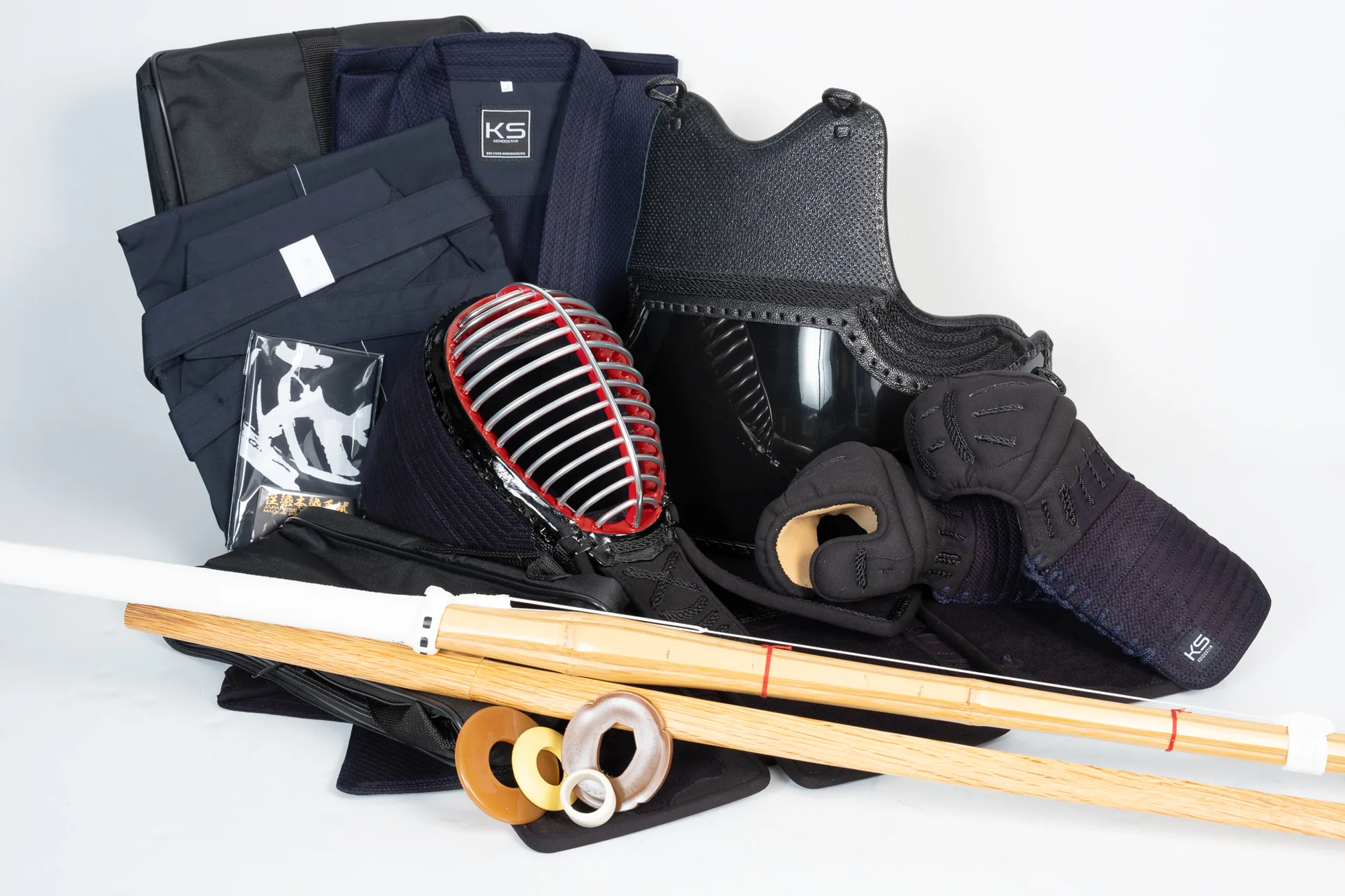
Beginning kendo is an exciting step into one of Japan’s most respected martial arts. Whether you were inspired by a local tournament, encouraged by friends, or simply fascinated by the philosophy and discipline of the sword, your first practices mark the beginning of a lifelong learning experience.
Like many beginners, you’ll probably ask one of the most common questions: What equipment do I actually need?
At first glance, the list of gear may seem complicated, but getting started is much simpler than it appears. Most new practitioners build their equipment collection gradually as their training progresses, and every item has a specific purpose in helping them practice safely and effectively.
This guide explains the essential kendo equipment every beginner should know before stepping into the dojo.
Begin with the Basics: Kendogi and Hakama
Before wearing protective armor, every kendoka trains in the traditional kendo uniform. For many students, this will be the clothing they wear for months before advancing to armored practice.
It’s important to remember that every dojo has its own traditions and expectations. Some instructors prefer that beginners attend practice wearing standard athletic clothing before purchasing a uniform. Always check with your dojo leader or instructor before buying your first kendogi and hakama.
The traditional uniform consists of two pieces.
Kendogi (胴着)
The kendogi is the thick training jacket traditionally dyed with indigo. Designed to withstand regular practice, it absorbs perspiration while providing durability during repeated movement and partner drills.
Many practitioners appreciate how a quality indigo kendogi gradually develops character through years of use. Fading is considered a natural part of the garment’s life and reflects consistent training.
Hakama (袴)
The hakama is the wide, pleated garment worn over the kendogi. More than simply traditional clothing, it represents the etiquette and spirit of kendo. Its seven pleats are commonly associated with virtues connected to the principles of bushido, making proper care and folding of the hakama an important lesson in discipline and respect.
What Beginners Should Buy
For new practitioners, a mid-weight cotton or cotton-tetron blend offers the ideal balance between comfort, durability, breathability, and affordability. Premium handmade uniforms can always be considered later as training experience increases.
Choosing Your First Shinai
The shinai (竹刀) is the bamboo practice sword used throughout kendo training and competition. Constructed from four carefully shaped bamboo slats held together by leather fittings, it is designed to simulate the handling of a Japanese sword while allowing safe full-contact practice.
Since the shinai will be used in virtually every training session, selecting the proper one is essential.
Selecting the Correct Size
The appropriate length depends on a practitioner’s age, height, and competition category. Most adult practitioners use a Size 38 shinai (approximately 114 cm), although instructors can recommend the correct size for each student.
Weight and Balance
Competition standards establish minimum weights for different divisions, but beginners should focus on using a shinai that feels balanced and comfortable while learning proper technique.
Safety Comes First
Before every practice, inspect the bamboo carefully for splinters, cracks, or loose fittings. Regular maintenance is an important part of kendo etiquette and helps prevent injuries during training.
Experienced practitioners also recommend purchasing two shinai instead of one. Bamboo naturally wears over time, and having a spare ensures training can continue if one becomes damaged during practice.
Understanding Bogu: Kendo’s Protective Armor
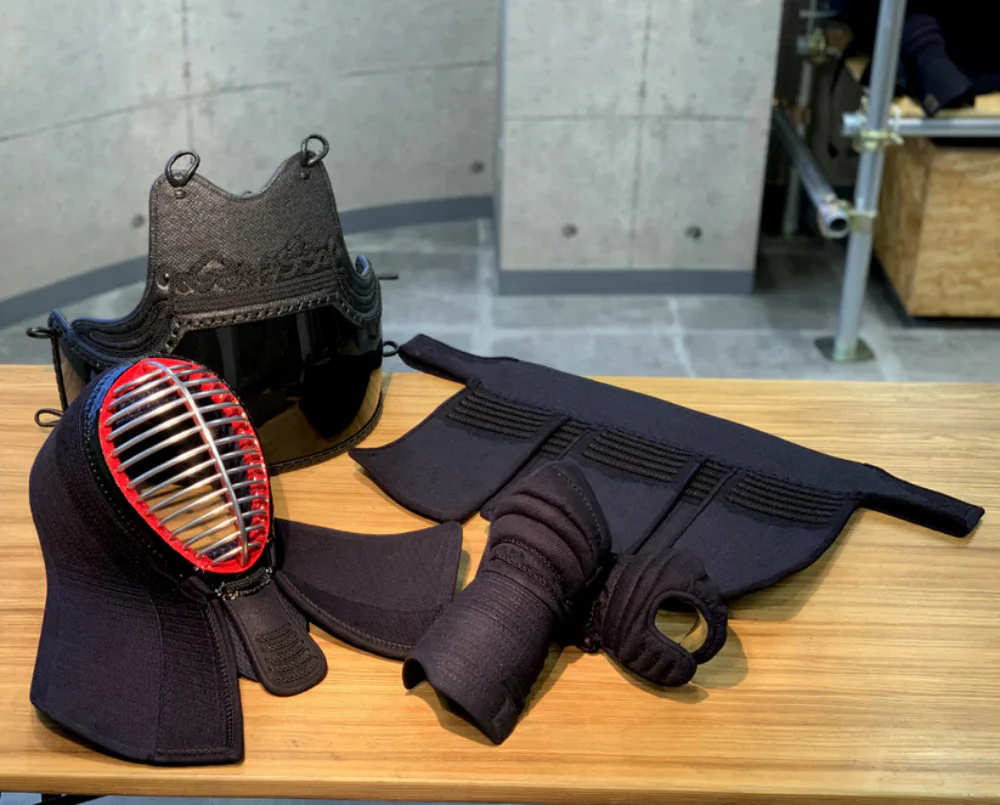
One of the defining features of kendo is the use of bogu (防具), the protective armor that allows practitioners to perform full-speed strikes safely.
New students typically spend their first several months learning footwork, posture, striking fundamentals, and etiquette before putting on armor. Your instructor will determine when you are ready to begin armored practice.
A complete bogu set consists of four main components:
| Equipment | Japanese Name | Protection |
|---|---|---|
| Helmet | Men (面) | Head, face, and throat |
| Gloves | Kote (小手) | Hands and wrists |
| Body Armor | Do (胴) | Chest and torso |
| Waist Protector | Tare (垂れ) | Hips, thighs, and lower abdomen |
Choosing Your First Bogu
For beginners, machine-stitched bogu sets provide an excellent combination of protection, comfort, durability, and value. They are specifically designed to withstand regular practice while remaining affordable for new practitioners.
Perhaps the most important consideration is proper fit.
Armor that is too large or too small can restrict movement, reduce comfort, and compromise safety during training. Whenever possible, students should seek assistance from experienced instructors or knowledgeable equipment specialists before purchasing their first set.
The Importance of the Zekken
Although small, the zekken (垂れネーム) carries significant meaning within the kendo community.
Attached to the tare, it displays the practitioner’s name and dojo affiliation, allowing competitors, instructors, and fellow kendoka to identify one another during practice and tournaments.
Receiving your first zekken often marks an important milestone, symbolizing your official place within your dojo and the wider kendo community.
Carrying Your Equipment
As your collection of equipment grows, transporting it properly becomes increasingly important.
Shinai Bag
A shinai bag is designed specifically to protect bamboo swords during travel. Most models comfortably hold two to four shinai, making them one of the first accessories many beginners purchase.
Bogu Bag
Once armored practice begins, a larger bogu bag becomes essential. These bags are designed to carry the complete armor set while protecting equipment between training sessions and tournaments.
Beginner Equipment Checklist
As you begin your kendo journey, purchasing equipment in stages makes the process both practical and affordable.
A typical progression includes:
- Kendogi (training jacket)
- Hakama
- Two shinai
- Shinai bag
- Bogu set (when approved by your instructor)
- Zekken (after officially joining your dojo)
- Bogu bag (once armor training begins)
Building a Strong Foundation
One of the biggest misconceptions among beginners is that expensive equipment leads to better performance. In reality, successful kendo depends far more on consistent practice, proper instruction, and dedication than on premium gear.
Quality equipment should fit correctly, provide reliable protection, and allow practitioners to concentrate fully on improving their technique rather than worrying about discomfort or safety.
Every experienced kendoka began with the same basic equipment and gradually expanded their collection as their skills developed.
The Journey Begins
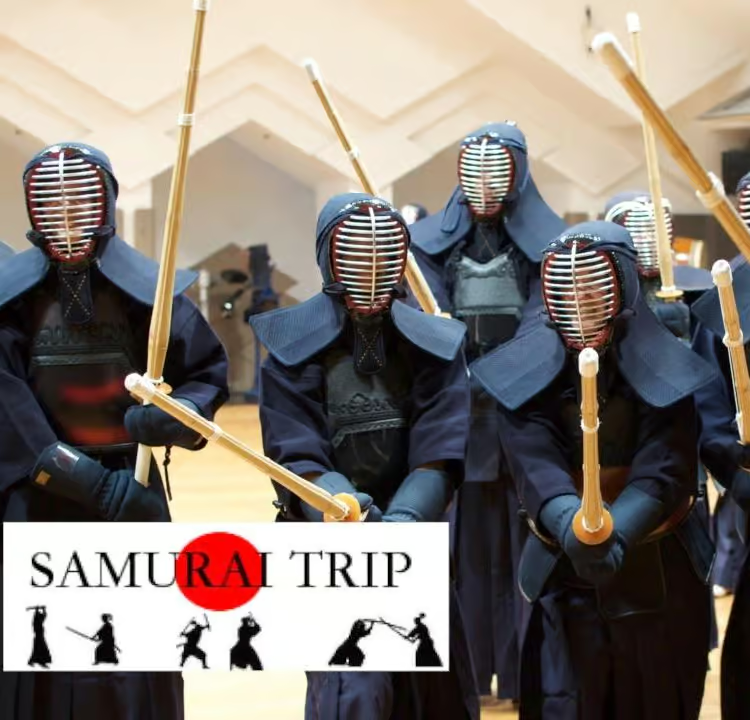
Kendo is much more than learning to wield a bamboo sword. It is a martial art built on discipline, respect, perseverance, and continuous self-improvement. Every piece of equipment—from the first kendogi to a complete bogu set—supports that journey by allowing practitioners to train safely and confidently.
For newcomers, the goal isn’t to own the most expensive gear available. The priority is to choose equipment that fits well, meets safety standards, and supports regular practice under the guidance of qualified instructors.
With the right equipment, an open mind, and a commitment to learning, every practice becomes another step forward on a path that can last a lifetime.
Happy keiko.